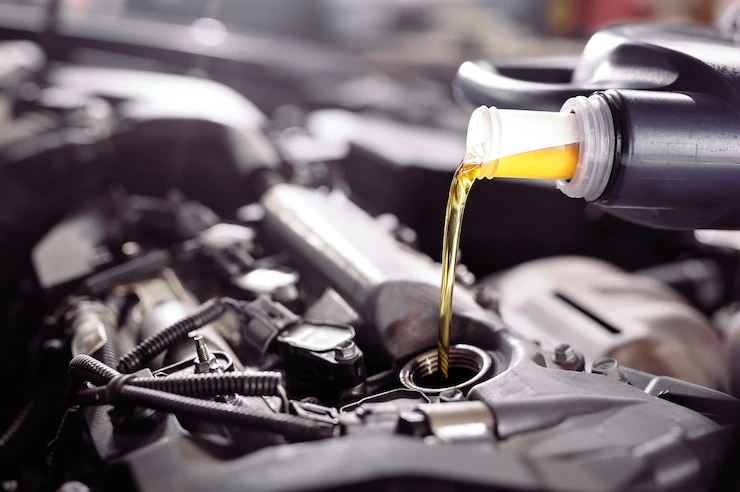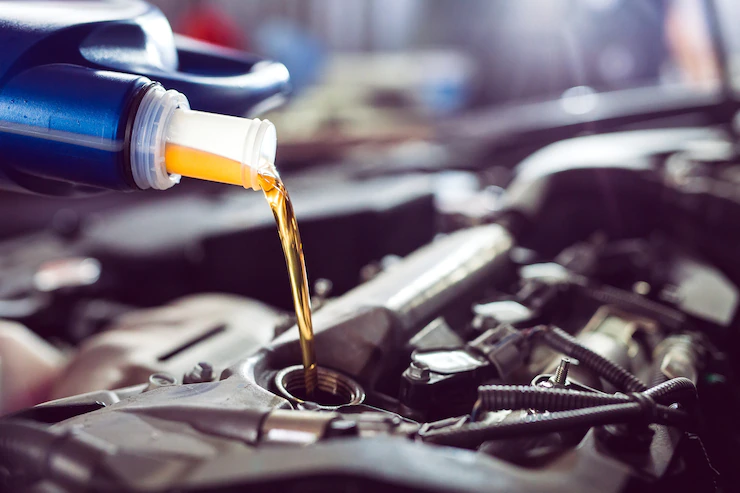


Regular oil changes are essential for keeping your car in the best possible condition. A good quality oil will help keep your car’s moving parts cool and well-lubricated. Over time, dirty and contaminated oil can build up, causing corrosion and decreasing engine life. At AutoPro, we can help you choose the right oil, check your oil levels, change your filters and flush your engine to keep everything running smoothly.

Run your engine.
Since warm oil drains faster than cold, run your engine for only a couple of minutes. You never want to get your engine up to full operating temperature, because the oil will be way too hot to safely drain.
Drive your car onto two ramps.
Apply the parking brake. Remove the key. Place chucks behind the wheels for safety. Put on your safety glasses and gloves.
Locate the oil drain plug and place the oil pan below it.
Consult your owner’s service manual for help in locating the oil drain plug, and remember that the oil will flow at an angle into the pan. Loosen the plug with a socket wrench.
Unscrew the plug by hand.
While unscrewing it, push the plug back toward the pan to keep oil from rushing out until you are ready to remove the plug from the hole. Be careful—that oil may be hot!
Drain old oil.
Check your owner’s service manual to find the location of the filler cap on top of your engine. Removing it makes the draining process faster because air can enter from the top.
Replace oil plug.
Once all the old oil is drained, replace and tighten the oil plug by hand, making sure it’s not cross-threaded. After the plug is hand-tight, secure it with a wrench. If indicated in your owner’s service manual, use a new drain plug gasket. Never over-tighten the drain plug.